
I mentioned in my previous dating post that I am skilled in the art of changing sleep schedules. Seems like a strange skill to have, but it is a curious one to have if you’re traveling a lot or need to change obligations. I am by no means the best sleep expert in the world, but I have a lot of experience with changing time zones or changing schedules and have found that waking up is a good key to setting the day’s pace.
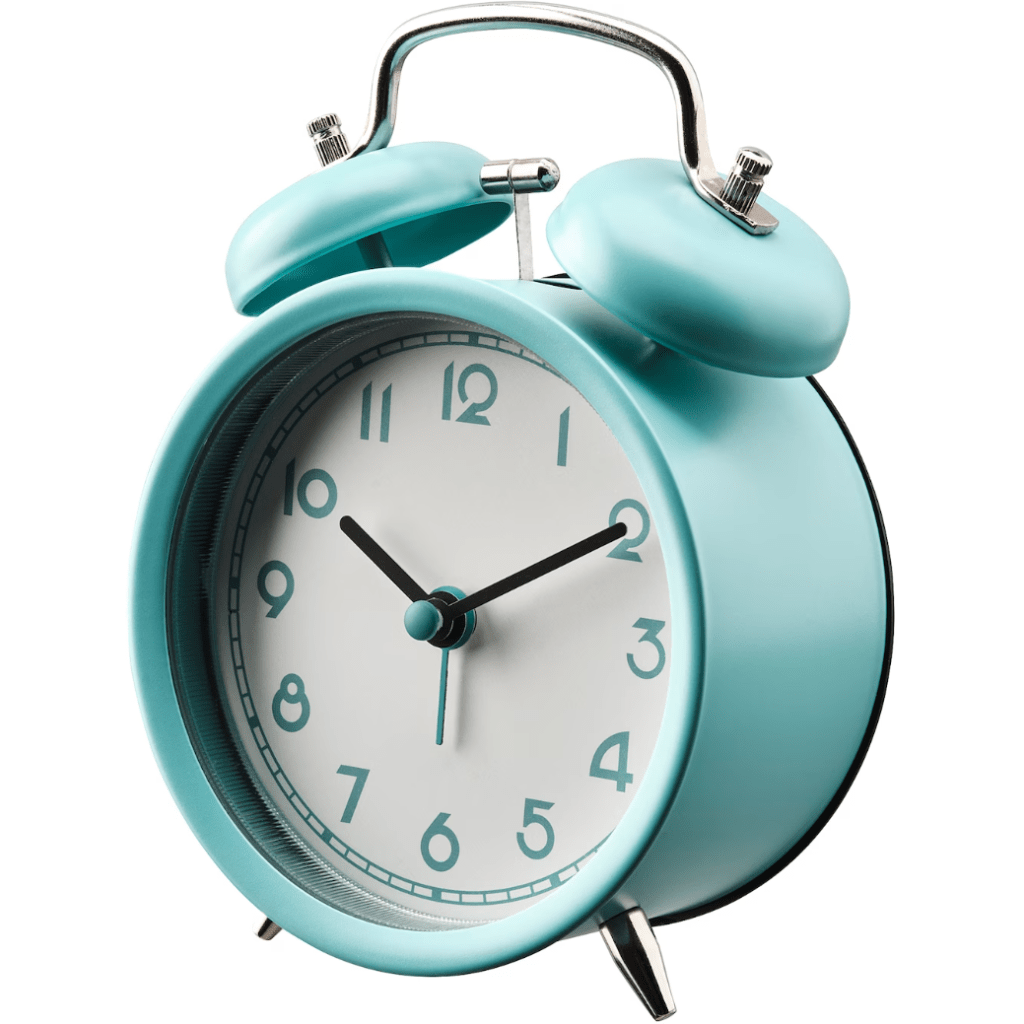
There are a couple tricks that people really don’t seem to pay attention to but understand intuitively. The easiest trick to explain is to simply listen to your alarm clock. It is extremely difficult for a lot of people to do this, as I’ve dated a few people who let their snooze button go on and on. That is probably the most annoying thing in the world to others who are trying to sleep. Simply listening to the alarm and waking up with the alarm is the first line of discipline when it comes to waking up. It’s the first confrontation between your night self and your morning self. The version of you in the evening says, “I’ll wake up at this time.” Then the person in the morning should respond, “This is the time we agreed to wake up at.” Unfortunately for many people this is not the case, as the morning version of many individuals tells themselves that they are tired, that what is happening right now is not what was agreed upon in the evening. This can only be settled between yourself and reality. Whatever time you set on the alarm clock should be the agreed upon time. If your morning self truly can’t do the time you’re requesting, simply change the time.
For some people, this doesn’t seem like an option. People say things like, “I hate waking up” or “I have to wake up early but I don’t want to” or “I’m just a night owl.” However the hard truth of the matter is that people can change given time and habit. What people are afraid to admit is that their current sleep pattern is a development of a habit. If you habitually wake up late, you’re allowing yourself to rest later into the day, which allows you to work later into the evening. What a lot of people don’t understand is that the time you wake up cascades into the rest of your day. There is very little chance that a person can wake up every single day at 6am and not be tired by midnight. For some people, staying up late isn’t a choice but a requirement. Each individual will be different and have different needs. What’s the same with all people is that we all need rest. When we choose to get our rest is how our sleep schedule is determined.
The first point is listening to your alarm. The second point is to go to sleep when you’re tired. Listen to these two rules, and you’ll start your day at the time you want.
But it’s not easy for me to get out of bed! I unconsciously hit the snooze button. I need to put my alarm across the room.
I’ve heard every excuse. What I rarely hear are strong responses to alarms. Yes, there’s alarms that require a math puzzle or require you to stand up to disable them. But these alarms don’t really work on a primary response; they work the same way a barking dog in the morning does, it annoys you. I don’t want an alarm that annoys me. I want an alarm that works. One may argue any alarm that stirs the user up works. I’d like to argue the user makes any alarm work if the user complies. What does this mean? It goes back to not snoozing but it also goes further.
The craziest and best trick I have ever learned for changing sleep schedules, nay, waking up in general is simply practicing getting out of bed. It sounds stupid or ridiculous. But there is such a thing as practicing getting out of bed. I did this for one single afternoon in college and I have never unlearned this habit.
Practice is all about cue and response. A happens, we do B. Alarm goes off, we get out of bed. It’s a simple as that. What’s crazy to people is the idea of actually practicing getting out of bed. The guide I read and what I’ll repeat seems strange, but as I said, I never forgot it with one afternoon’s practice.
Close your blinds, turn off the lights, get under your covers. Do everything that would make it as if the room was the same condition it is when waking up. Set an alarm for 1 minute, 2 minutes, or 5 minutes ahead. Whatever number you’d like. And then just rest. Act as if you’re sleeping. Close your eyes and pretend it’s the morning.
When your alarm goes off, GET OUT OF BED. Put one foot down, then the other. Take your covers off. And get dressed. Start the motions of your morning routine. Head to the bathroom? Make some coffee? You don’t actually have to do anything more than get your body used to these motions.
Then do it again. Lie under your covers, close your eyes, and respond to your alarm when it comes. Get out of bed. Take the covers off. Get your feet on the ground.
Do this three times. Hear the alarm. Get out of bed.
I have never unlearned this habit. There are still days where I imagine snoozing or the rare occasion where I didn’t go to bed at the right time and I need to sleep in. The sound of my alarm, no matter how gentle of a sound it is, stirs me to action. My brain starts working and my body starts moving. Soldiers train in total darkness, under extreme stress. You can train your body to get out of bed.
In a future post, I’ll cover sustaining the body throughout the day on altered sleep schedules, like jetlag or performance days.
 Leadership, Design, Writing