freshman year of college in the dormitory, looking for my calling and meaning, i find an inspirational website by some lifestyle coach. he says get a piece of paper out. write down a single sentence.
i want to ______.
fill in that blank with whatever you want. read it out loud to yourself. read it again. did you cry?
cross it out and try again. write a new sentence. repeat this step over and over until when you read the sentence you cry.
i entered college studying graphic design because it was what i invested the most time into during high school. but i didn’t know what i wanted to do. i always loved video games, but was there really anything i wanted to do with them that could actually make me cry? like… give me meaning?
i tried a few sentences. nothing stuck.
i thought about being a kid, playing one player games alone for hours, wishing i had someone to play against. maybe i wanted to make better AI, or create endless challenges for people like me.
but that felt off. too broad. and i wasn’t interested in building systems like that.
maybe it was online play, being able to connect people. but games were already moving in that direction. it felt like something that would solve itself.
so what was i really after?
my favorite game was obvious. super smash bros. melee. i played it alone a lot. i imagined what it would be like if it could be played online, but back then with CRTs, lag, and the internet… it felt impossible. it wasn’t meant to be played online.
it was meant to be played in person. that’s what i was really after.
i went back to the paper with crossed out lines.
i wrote: i want to spread the joy of melee.
i read it out loud. and i cried.
—
i didn’t pursue it perfectly. i got distracted. i stopped playing for periods of time. i didn’t always know what “spreading the joy” actually looked like.
but whenever i had the chance, i talked about melee. i brought it up to friends, to classmates, to anyone who would listen. and when people showed even a little interest, i wanted to go deeper with them. i wanted them to feel what i felt.
i started hosting small tournaments in my parents’ basement. then bigger ones. i gave lessons. i commentated matches. i traveled to events across the country. i met people who loved the game the same way i did.
i started an organization called “melee everyday.”
it wasn’t balanced. it wasn’t casual. it was everything. and i loved it.
i loved playing it, hosting it, talking about it, teaching it. i loved seeing someone understand it deeper and deeper. i loved seeing them get better. i loved seeing rooms full of setups and people who cared.
i wanted as many people as possible to experience that.
so i did what i could.
—
over time, the game grew.
people built better tournaments. more organizers stepped up. new tools came out: practice modes, save states, rollback online play. things that used to feel impossible became normal.
chicago continued to be a strong city for melee. tournaments kept happening. majors came through. things i used to do, like national events for unranked players, started existing without me.
i moved away not knowing what it would look like. it turned out fine. better than fine.
the game doesn’t need me to spread it anymore.
—
if i were to write that same sentence today “i want to spread the joy of melee” i wouldn’t cry. because it’s no longer something i need to do.
i spent years pursuing it. imperfectly, but honestly. i found ways to live it out. and along the way, things just kept getting better and better. the work was picked up by others. the game became more accessible than i ever imagined.
the joy spread.
—
i still love melee. i don’t think i could ever love a non-living thing more than melee. but i don’t need to spread it anymore. that part is done. and i’m grateful i got to be a part of it.
When I was younger, I could game all day, all night, and repeat it the next day. There was something special about being that passionate, so focused, and lost in time.
That feeling changed in my 20s when I was deep into my Melee career. It might have looked very similar, playing games every day. But it was rather structured, even if it didn’t appear so. My mornings were for practice, organization, errands, and recovery. My evenings were for tournaments. Some weekends I traveled out of town for bigger events. It was an every day grind.
I wasn’t just playing games to fill the time or feel my passion. Every move felt effective. Each practice session, each tournament, each challenge I had to face. If ever there were a setback, I had to personally overcome it. Because of this onus and responsibility, gaming felt productive and I never felt guilty about it.
That part is quite surprising looking back. Growing up, there was always a critical voice in the background, nagging at me anytime I sat down and played video games. I heard every critique: they were bad for my eyes, only lazy people played games, that they were a waste of time, and a useless skill. I always had classes or homework to attend to, aspirations to aspire to, and parents to disappoint less.
But when I was competing, those voices went away. I didn’t have time to hear those nagging whispers in my mind. I had practiced, traveled, competed, and progressed. It was not just time spent. It was time invested. The players who beat me when I first entered the scene began admiring my progress and it wasn’t before long that I had very few peers in my eyes.
But competitive gaming has an expiration date whether I’d like to admit or not. When that time came, I didn’t know how to transition away from gaming. My actions and habits persisted and I still gamed as a hobby. But my child-like guilt came back, with all the past criticisms. When I competed, gaming had meaning and purpose. When I no longer competed, I looked for other ways for gaming to be productive.
Many posts in this blog are related to World of Warcraft because that is the game I poured my heart into heavily after retiring from Melee. It is fitting because I stopped playing World of Warcraft around 2007 to invest more time into the real world and competing. Melee took all my effort from traveling town to town, state to state, and practicing at home alone.
So when Classic WoW was announced and my Melee career was already sunsetting, I spent a ton of time in Azeroth and started to use my gaming energy in new creative ways. And for a long while, World of Warcraft was able to replace that feeling. So I leaned into it. I played excessively during lockdown and made sure once again it was not just time spent but time invested.
I ran and recruited large social guilds, hosted raids, managed players, and ran custom events. It felt close enough to competitive Melee, with responsibilities and emergent rewards. This worked for a long time, filling the itch. But it wasn’t the same, and lockdown would not last forever. I tried persisting through that feeling, playing more and finding new meanings.
I didn’t know what had gone wrong. Was it the next expansion? Was it my fault in leadership? Maybe I needed to do better. Maybe I just needed more time.
It took me a while to understand what was happening. In Melee, I sought deeper meaning after I had journeyed through mastery. In Classic World of Warcraft, I attempted to seek deeper meaning right from the start. Sure, I had some first hand experience of WoW mastery from 20 years ago. But nostalgia has its limits and it would only be a matter of time before even old content became new to me.
It’s been a year since I left Southern California and moved back to Chicago to help with the sunset of my father’s business. I dearly miss Los Angeles, but there’s great reward in living with my family and helping with the daily needs of the house and the company.
Before I left Chicago almost a decade ago, I often thought about how long I would stay and what my return might look like. In California, especially during the isolation of the 2020 lockdown, those thoughts often returned. I wondered where my life had gone, what my responsibilities were, and how the generations above and below me were going to change.
Thoughts and visions are kind of like low-level time travel. If your vision and influence are strong enough, it’s only a matter of time before it becomes reality.
When I first drove west years ago, I was most thankful for my friends and my accomplishments. I was riding the high of esports and professional gaming. Career-wise, it felt like threading a needle through the wild west. Money could flow in or out of the ecosystem beyond belief, changing the entire reality of the scene overnight. In 2017, NBA and NFL teams were investing in esports. The sky really felt like the limit.
I was moving into a gaming house with rent and food included. From the outside it looked like the dream.
But life-wise, personally, I was isolated. I was traveling alone and moving alone to the West. I felt different from the peers I was leaving and I knew I was going to be different from the peers I was about to meet.
Moving itself was nothing new to me. Growing up I moved several times: preschool, second grade, and seventh grade. And as an adult, I had traveled around the country for tournaments, so I knew organizers and players from all the regions.
So I did what I always tried to do when I was growing up: keep my head up high and “do as the people do.”
But my shortcomings, blunders, and the unstable nature of esports faded my dream rather quickly – a fitting outcome for any dreamer moving to Los Angeles.
Instead of running home at the first chance, I stayed. I soaked in the sun and tried to accomplish other goals I had imagined for myself back in Chicago.
Transitioning away from esports as both a career and a source of fulfillment was difficult. Even harder was watching the competitive side of the game drift further and further out of my reach. I was getting older. I practiced less. I had less focus. Before long, the ideas in my head grew far beyond my abilities to execute them.
I stopped going to tournaments. I slowed down playing with others. Eventually I stopped playing entirely.
My confidence was at one of its lowest points during that time.
Then Classic WoW was announced.
I poured my energy into that world instead. Pandemic WoW was a magical moment in gaming, one of the best times in all of gaming. Through it I learned a lot about YouTube, Twitch, and Discord. I tried building something again, but I never quite managed to create a stable community or reliable income.
Gaming as a lifestyle came to an end.
I began working regular jobs—starting with delivery work and then honing my skills in sales.
When I drove back east last year, I was most thankful for my family and God. Returning felt like a very different kind of journey. Back then the emotion was adventure and independence. This time it was duty and love.
I had once quit the family business to start my esports career. Now I was done with my esports career, returning to help the family business.
I wouldn’t trade anything about my hero’s journey—the disappointments included. Every negative moment makes each positive one sweeter. Chasing a dream with full conviction is something everyone should do at least once.
Coming home taught me some different things.
As a teenager I used to resent how much my father worked. I thought he didn’t care enough about my development or my interests. He rarely had time for the kind of parenting I imagined other kids were getting.
What I didn’t understand then was what it meant for an immigrant to build something from nothing.
My father did something that the vast majority of immigrants never get the chance to do. He started a business. He employed people. He supported a family.
And now, decades later, that same business employs me.
Life has a strange sense of humor.
Since moving back, I’ve noticed my impact. My father’s routine is calmer and he trusts me to handle more than ever before, from home repairs like replacing the door handle at the front of the house, changing lightbulbs, and tightening faucets, to meeting new clients and servicing our most veteran accounts.
Faith also entered my life these past years. For someone who has always been philosophical and curious about the big questions, seeking God has become the most important pursuit I’ve taken on. The church community reminds me a bit of the gaming communities I grew up in. In both worlds, simply loving the thing itself—the game, the scripture—gets you halfway there. The church friendship, community experience, and prayer life have fulfilled many of the same benefits from my past gaming community, trading competition for piety.
The biggest takeaway I’ve learned is that chasing dreams and accepting responsibility aren’t mutually exclusive.
I chased my esports dream with everything I had. It didn’t work out the way I once imagined, but the journey was amazing and necessary. It allowed me to grow, to mature, and to ultimately return home with a deeper sense of gratitude.
They say you don’t know what you’ve got until it’s gone. I say get ahead of it and enjoy every moment.
If you’re a fan of deck-building games and rogue-likes, Balatrois the game you need to try. It combines the timeless structure of a poker deck with innovative deck-building mechanics, creating a game that’s as easy to pick up as it is hard to put down. I’ve been hooked since I started playing, and after a four-hour binge on a flight, I’m convinced it’s one of the best mobile games out there.
At its core, Balatro uses traditional poker hands—flushes, straights, and so on—but what truly elevates the experience is how it incorporates Jokers into the mix. Jokers are abundant in this game, and they bring a whole new dimension to the strategy. They offer creative bonuses, making every hand feel exciting, unpredictable, and rewarding.
One of the standout aspects of Balatro is how it perfectly balances the mechanics of deck-building and rogue-like gameplay. Each run feels fresh because the game constantly presses you to make tough choices: Should you skip the blinds and take a risk for bigger rewards? Or should you play conservatively to guarantee survival? The decisions you make directly affect your long-term strategy, making every run feel like a game of chance with modifiers that keep things interesting.
The bosses add another layer of challenge and fun. They’re themed well, both mechanically and aesthetically, forcing players to adapt their strategies on the fly. Sometimes, I found myself needing to rethink my entire approach to survive a boss fight, which adds to the depth of the game.
Visually, Balatro’s art style is perfect in its simplicity. It’s light, clean, and incredibly effective—exactly the kind of aesthetic that resonates with me. There’s no clutter, no unnecessary frills, just design choices that reflect the core theme of the game: risk and reward.
And the best part? It’s an offline game. I’ve always appreciated the freedom of playing without worrying about internet connections or data usage. On a recent flight from LAX to ORD, I played Balatro for hours straight after reading positive reviews on Steam and buying it impulsively on mobile. It was, hands down, the best purchase I made on that trip.
Balatro’s replayability is insanely high. Every run feels fresh, and the combination of strategy, poker hands, and rogue-like progression makes it addicting in all the right ways. Whether you’re trying to outsmart a boss, build the perfect hand, or hit your long-term goals, the game always offers something new to explore.
In short, Balatro is a must-play for anyone who loves deck-building games, rogue-likes, or even poker. The gameplay is strategic and satisfying, the art is perfectly matched to the theme, and the offline mode makes it the ideal game for on-the-go gaming. Trust me, you won’t regret picking this one up.
The mind can be imagined as a fortress, constructed over time to both protect and cultivate the thoughts within. Like any stronghold, it must be built carefully, with walls that defend against harmful influences while maintaining gates that allow in fresh, helpful ideas. The mind’s foundation, the walls, and the space inside must all work together to strike a balance between protection and growth. But maintaining this balance requires conscious effort—regularly evaluating what to let in, what to keep out, and how to nurture what’s already there.
How we build and maintain our mental fortress affects how we manage the constant influx of information from the world around us. If the walls are too rigid, they may block out useful new perspectives. If they are too open, the mind can become overwhelmed. Here we will explore how to build and maintain the fortress of the mind, carefully curating what enters and allowing thoughts to flourish within.
The Foundations: Core Values and Beliefs
At the base of any strong fortress are its foundations. The mind’s foundation is built from deeply held values and beliefs, which provide structure and stability. These core beliefs are often formed early in life, influenced by family, culture, and personal experiences. They shape how we view the world and what we allow into our mental space.
For example, someone raised with the belief that hard work guarantees success will likely approach challenges with persistence, filtering information through that core value. Others, perhaps shaped by different experiences, might hold a belief in the role of chance or privilege in success. These foundational beliefs, whether positive or limiting, act as the first layer of defense in the fortress. They give us a framework through which we interpret new ideas.
But while these foundations are necessary, they must also be strong enough to support growth and flexibility. A rigid foundation can crack under pressure when new, challenging ideas are introduced. We must occasionally assess these core beliefs, asking ourselves: Do they still serve us? Are they adaptable enough to allow for new understanding, or are they holding us back?
The Walls: Protecting the Mind
Around the fortress, we build walls. These walls are the mental defenses we use to protect our core beliefs and ideas. They are necessary to filter out harmful or irrelevant information that could overwhelm or confuse us. In a world full of distractions and noise, these walls ensure that only the most useful ideas are allowed through.
These defenses often come in the form of skepticism, critical thinking, and emotional boundaries. For instance, if we encounter an advertisement or article that promotes an unhealthy or manipulative idea, our mental walls help us question its validity and decide whether it should be let in. In this way, the walls are vital for protecting the mind.
However, walls that are too high or thick can be just as damaging as weak ones. If we block out every idea that challenges our beliefs, we risk becoming closed-minded and stagnant. There’s a delicate balance to maintain. Strong walls are built not to keep everything out but to filter what comes in, ensuring that only helpful ideas are allowed to enter. Critical thinking plays a key role in this—allowing us to examine new ideas carefully before deciding whether they deserve a place inside.
The Gates: Letting in New Ideas
Just as walls are important, so too are gates. The gates of the fortress represent the conscious choice of what to allow into the mind. The mind must be open to new ideas in order to grow, but this openness must be controlled. If we leave the gates wide open, we risk allowing harmful or overwhelming influences to flood the mental space. If we shut them entirely, we close off opportunities for learning and personal development.
It’s about balance—deciding which ideas deserve a place inside and which should be left out. When new ideas arrive at the gate, we must evaluate them. Are they helpful? Do they challenge us in a way that could lead to growth? Or are they distractions, noise, or even harmful? By approaching new information with curiosity but also caution, we ensure that the gates serve their purpose: to let in what will help us and keep out what won’t.
For instance, when encountering a new perspective on a long-held belief, the gate allows us to question, to explore. Rather than letting down the defenses completely, we can evaluate the new idea carefully, deciding whether it’s worth bringing inside for further reflection.
The Inner Courtyard: Nurturing Ideas
Once ideas have passed through the gate, they enter the inner courtyard of the mind. This is where thoughts are nurtured, developed, and allowed to grow. Just as plants need care and attention to flourish, so too do the ideas we let into our minds. Not every idea that enters should be allowed to take root, but those that do must be cultivated carefully.
The process of curating our thoughts involves regularly revisiting and reflecting on the ideas that we hold. Are they still useful? Are they growing into something more meaningful, or have they become stagnant? We must be active in this process, giving attention to the thoughts that matter while letting go of those that no longer serve us.
For example, a new idea about a different way to approach work or relationships may seem foreign at first, but if nurtured and reflected upon, it can grow into a valuable part of the mental landscape. The key is to be mindful about which ideas are given the time and space to develop. Reflection, self-education, and open dialogue help to nurture these thoughts and ensure that they are useful additions to the fortress.
Maintaining the Fortress: Reflection and Care
Like any fortress, the mind requires regular maintenance. The walls must be checked for cracks, the gates for rust, and the courtyard for overgrowth. In the same way, we must continually reflect on our mental defenses, values, and beliefs. What worked for us in the past may no longer serve us in the present. Regular reflection helps us ensure that our mind is not becoming stagnant or overly rigid.
This process of reflection can take many forms—whether through journaling, meditation, or simply engaging in thoughtful conversation with others. By doing so, we ensure that our mental fortress remains strong but adaptable. Cognitive restructuring, a process used in cognitive-behavioral therapy, is a perfect example of this maintenance. It involves regularly examining our beliefs and replacing unhelpful or outdated thoughts with healthier, more useful ones.
Without this regular upkeep, the fortress may weaken over time, leading to rigidity, complacency, or confusion. Like a physical structure that is left to decay, an unmaintained mind risks crumbling under the weight of unexamined or outdated ideas.
Invisible Walls: The Hidden Limits of the Mind
While some mental walls are clearly built and maintained, others may form without us even realizing it. These “invisible walls” can limit our openness to new ideas without our conscious awareness. Even the most open-minded individuals can unknowingly block out certain perspectives, assuming they are already being as open as possible.
These invisible walls are often formed by hidden biases or unexamined habits of thought. We might believe that we’re open to all viewpoints, but in reality, we may be unconsciously dismissing ideas that challenge our preferred worldview. The key to breaking down these invisible walls is self-awareness and humility—recognizing that no one is ever fully free from bias, and that even the most open mind can have limits.
For example, someone who prides themselves on being progressive may still find themselves shutting out certain perspectives that don’t align with their view of what progress should look like. The challenge is to recognize these invisible barriers and work actively to dismantle them.
Growth: Building a Balanced Fortress
The mind, like a fortress, requires both structure and flexibility. With a strong foundation of core values, well-maintained walls that filter out harmful ideas, and carefully managed gates that allow in new perspectives, we can ensure that our mental space is protected but also open to growth.
By nurturing the thoughts that enter the courtyard, regularly reflecting on our beliefs, and staying vigilant about invisible barriers, we can create a mental environment where ideas flourish. The goal is not to shut out the world or let in everything without thought, but to build a fortress that both shields and nurtures us—a place where meaningful growth can take place.
Management: Confronting Ideas
People naturally build fortresses of the mind, whether they realize it or not. These fortresses reflect the makeup of their worldview, shaped by experiences, education, and temperament. Some fortresses are highly defensive, hostile to unfamiliar ideas, while others are open and hospitable, even to thoughts that challenge or contradict deeply held beliefs. The way a person builds their mental fortress can tell us a lot about how they interact with the world—whether they are open to learning or rigid in their convictions.
At the heart of this dynamic is a simple but powerful idea: understanding is more important than agreement. By allowing conflicting ideas to enter the fortress, with the proper defenses and for the purpose of learning, we open the door to personal growth without compromising the strength of our values.
Hostile Fortresses: Defending Against All Intruders
Some minds are built like fortified castles on a hill—walls thick and high, with guards patrolling every entrance, refusing to let anything foreign come near. These minds tend to be fiercely defensive, rejecting any thought or idea that might challenge their established worldview. The reasoning behind this is understandable: the desire for certainty and security in one’s beliefs. After all, it can be uncomfortable or even frightening to entertain ideas that question the foundations of what we believe to be true.
But when a fortress is too hostile to new ideas, it risks isolation. It’s not uncommon to see examples of this in individuals who are heavily influenced by a singular ideology, political stance, or cultural perspective. Every idea that doesn’t fit within the strict boundaries of their belief system is automatically rejected, seen as a threat rather than an opportunity to learn. While this approach may keep the mind safe from perceived harm, it can also prevent growth, empathy, and understanding.
For example, in political or cultural debates, a person with a hostile fortress might refuse to engage with opposing viewpoints, dismissing them without consideration. While this stance protects their established beliefs, it also prevents them from understanding the nuances of the other side. Without that understanding, there can be no meaningful dialogue, no progress.
Hospitable Fortresses: Inviting Disagreement for Growth
Other fortresses are designed with more flexibility, welcoming even opposing ideas through the gate, though not without caution. These minds recognize the value of hearing, and sometimes even entertaining, thoughts they disagree with. The difference is that these ideas are allowed inside, not to overthrow the fortress, but to enrich its understanding.
An example of this could be found in academics or individuals who value critical thinking. They welcome debates and opposing views because they believe these ideas can strengthen their understanding of the world. Such minds know that just because an idea is different or even conflicting doesn’t mean it’s inherently harmful. In fact, they understand that engaging with a variety of perspectives allows for a more comprehensive worldview.
For instance, a person who holds strong beliefs about a social issue might still engage with someone who has a different perspective, not with the intention of changing their own views, but to understand where the other person is coming from. In doing so, they might find common ground or learn something that deepens their own beliefs. This doesn’t mean that they will agree with the new idea, but their willingness to understand it adds to the strength of their fortress. The key is not in abandoning their values but in building a more informed and resilient mind.
Guards at the Gate: Curating Conflict for Learning
To balance protection and openness, hospitable fortresses often have guards at the gate—critical thinking, skepticism, and discernment. These guards evaluate each idea that approaches, asking whether it will enrich or harm the fortress. If the idea is worthy, even if it’s uncomfortable or challenging, it’s let inside to be explored. If it’s destructive or unhelpful, it’s kept out.
This kind of mental defense allows for a controlled approach to learning. The idea is not to let in every thought blindly, but to let in those that have the potential to teach us something. In this way, even conflicting ideas can serve a purpose. They allow us to test our own beliefs, strengthen them, or modify them when necessary.
Take, for example, the practice of Socratic dialogue in philosophy. It involves asking questions to challenge and probe ideas, even when the answers may reveal contradictions in one’s thinking. The purpose is not to agree with the opposing idea but to refine one’s own understanding. This practice exemplifies the idea that understanding is more important than agreement. The more we understand opposing views, the better equipped we are to defend or revise our own.
The Higher Possibilities of Fortress Development
When we become skilled at maintaining a well-balanced fortress of the mind, the possibilities for growth are immense. We can hold firm to our core beliefs while still exploring the unfamiliar. We can engage with others who hold opposing views without feeling threatened. Instead of focusing on convincing others to agree with us, we can focus on understanding their perspectives and what we might learn from them.
This approach doesn’t mean abandoning convictions—it means allowing our understanding to deepen. As we interact with the world, our fortress grows stronger, not by rejecting every challenge but by becoming more resilient through knowledge. When we focus on understanding rather than agreement, we open ourselves to a higher level of discourse and personal growth.
The philosopher John Stuart Mill once wrote, “He who knows only his own side of the case knows little of that.” In other words, by building a fortress that refuses to engage with opposing views, we limit our understanding. But by allowing opposing thoughts to enter under controlled circumstances, we enrich our knowledge and fortify our beliefs more effectively than we ever could by remaining closed off.
Understanding, Not Agreement
In the end, the purpose of a well-built mental fortress is not to achieve agreement with every idea that comes its way, but to reach understanding. We must accept that conflicting ideas will inevitably approach our gates. How we respond to them determines the strength and adaptability of our minds. The most effective mental fortresses are those that can host debate and reflection without losing their core structure. By curating and nurturing the thoughts we let in, we build a more resilient and informed mind—one capable of understanding others without needing to agree with them.
The phrase “understanding is more important than agreement” becomes a guiding principle in this process. When we focus on understanding, we unlock the potential to grow beyond the boundaries of our initial worldview. In doing so, we strengthen the foundation of our mind, fortify its defenses, and enrich its internal landscape. This balance allows for the greatest potential of the mind: not just to survive, but to thrive.
It used to be that social comparison was limited to your immediate environment—your neighbors, friends, coworkers. You could see what people around you had or did, and there was a natural limit to how far comparison could go. If the family next door bought a new car, you’d notice, but you knew their circumstances, their lifestyle, their struggles. This grounded your sense of what was appropriate, attainable, and realistic.
Now, we live in a globalized society, where social media has shattered that local bubble. We can compare ourselves not just to the people in our immediate community, but to anyone—celebrities, influencers, strangers—often without the necessary context. We only see their curated highlight reels, which are stripped of the complexities of their real lives. What’s more, social media encourages this behavior by feeding us a constant stream of “perfect” moments, making it harder to resist.
Take a recent Reddit post that caught my attention: a man wrote about his wife requesting a “push present” after the birth of their child. At first, he assumed she was joking. But soon, he realized she was serious—and she wasn’t asking for something small. Influenced by social media posts, where women flaunted gifts like cars, vacations, and even body tattoos, his wife felt entitled to a grand gesture. And why not? If others are receiving these things, why shouldn’t she?
But this points to something deeper: the wife had seen these extravagant gifts and accepted them as the new normal, without contextualizing her own situation. She wasn’t comparing herself to the people around her—she was comparing herself to social media personalities whose lives and circumstances may be vastly different from her own.
This is the new reality of keeping up with the Joneses. It’s not about looking next door anymore—it’s about looking at the digital next door and digital views of what’s normal, what’s deserved, and what’s valuable. The natural hierarchy of a community, where only so many people can be the top tier family, no longer exists. Instead, everyone is comparing themselves to an unrealistic, global standard that has warped social expectations.
Materialism, ever on the rise, has been amplified by social media’s glamorization of short-term gratification. The push for consumption—newer gadgets, shinier toys, or grand gestures like push presents—has become a way of life for many. People now seek validation not from the intrinsic value of their actions, such as childbirth, but from external markers of worth, often in the form of material possessions or social approval.
In this story, the act of childbirth, a naturally meaningful and profound experience, became secondary to the social construct of a push present. In today’s digital world, social norms rapidly evolve, and our material desires rise to the comparisons we see online. The woman’s desire for a push present isn’t unusual, today—it’s an evolution of social comparison. Personal milestones, like having a child, have become mixed with social pressures, making it hard to separate our natural desires from our unnatural expectations.
When observing gamers, one of the most fascinating aspects is seeing how they navigate the world through the choices they make. Each decision a player makes—whether it’s their choice of weapons, paths, or even their control settings—gives insight into how they perceive and interact with their environment. The same principle applies to preferences and options in UI/UX design. The way users customize their experience not only shapes how they interact with an interface but also reveals something deeper about their personalities and thought processes.
For example, in competitive shooters, high aim sensitivity is often favored by players who need to react quickly and cover a large area at a moment’s notice. This choice is more than just about optimizing performance; it’s a window into a player’s approach to the game—prioritizing speed and adaptability over methodical precision. Similarly, in the realm of driving, some drivers prefer a compass to always points North, while others prefer the compass to align with the direction they are facing.
This seemingly small choice in navigation preference can actually tell us a lot about how a person views the world. A driver who prefers the compass to always point North may have a more collective or communal perspective. They might value understanding their place in the broader context of the world, always aware of their orientation in relation to others. On the other hand, a driver who prefers the compass to face the same direction as their vehicle may be more focused on their own immediate experience. They might prioritize a personal, forward-facing perspective, where the world is seen in terms of how it aligns with their own viewpoint.
This brings us to an interesting concept: the idea that our preferences in UI/UX are not just functional choices but also reflections of our deeper inclinations and mindsets. Just as a gamer’s control settings can reveal whether they are reactive or strategic, a driver’s compass orientation might hint at whether they view the world through an independent or collective lens.
These examples are just the beginning. What other preferences—whether in apps, games, or even physical objects—reflect your way of thinking? Perhaps you prefer dark mode in all your apps because you value focus and minimal distractions, or maybe you arrange your home screen icons in a specific order to reflect your daily routine.
I encourage you to examine your own preferences in UI/UX and consider what they say about you. Do they reflect a desire for control, a need for efficiency, or a longing for connection? And what do you notice about the preferences of others? By understanding the small choices we make in our interactions with technology, we can gain greater insight into ourselves and those around us.
I’d love to hear more examples from you, the readers. What are some of your personal preferences in UI/UX, and how do you think they reflect your personality or worldview? Let’s use this opportunity to explore not just how we interact with the world, but why.
In a previous post, I covered Denying Feedback and protecting one’s ego. Ego interacts interestingly with age. Children view the world quite differently from adults. Children see each other more as equals, and their sense of pride has not yet been shaped or shattered by experience. Without a developed perspective, ego has less room to dominate a child’s thoughts. It’s only as children grow and establish themselves mentally, as well as within their own communities, that their ego fully matures.
I came across a study suggesting that adults are just as good, if not better, than children at learning new languages. This challenges the common belief that children are natural “sponges,” soaking up new information effortlessly. While there’s some truth to this, couldn’t the same be said for capable adults? What makes children and adults so different in learning that there’s a widespread belief that children learn languages—and perhaps other subjects—faster or better?
Ego can significantly impact performance, especially in group settings. At its best, ego can push personal boundaries and enhance perceived control. At its worst, it blinds us to data and clouds judgment. A degree of delusion is necessary for success—after all, “shoot for the moon” is a popular saying. Yet, a healthy balance of delusion is tricky, as ego often tips the scales. The stronger the delusion, the harder it is to navigate situations accurately.
When someone stops accurately assessing and navigating, they are said to be lost. Being lost impedes progress. Even if extra effort is exerted to counter this impediment, this may still be less effective than simply moving in the right direction slowly from the start. In other words, slow and steady wins the race.
To move steadily requires humility. When we are younger, this humility comes more naturally, as our ego has yet to fortify itself in order to shield ourselves from failure. With an open mind and a pursuit of truth, only the results matter. As we develop a fear of failure and a preference for pride, our ego obstructs learning.
The belief that children learn faster or better than adults has some merit. However, adults can learn just as quickly or better. It’s our ego—something children are less burdened by—that often impedes the adult learning process. The effects of ego are powerful and mysterious, perhaps influencing more than just our learning. This is partly why How to Win Friends and Influence People remains popular; it addresses our ego and our tendency to dismiss others.
It’s astonishing how blind we are to both our own ego and its societal impact on our perceptions. As my father ages, he struggles more with learning and change. A lot of factors contribute to this, but one significant reason is his sense of pride and self-perceived competence. His pride dictates his confidence, shaping the way he navigates life. When faced with tasks outside his comfort zone, his pride insists on his competence in other areas, making it hard to reconcile discrepancies between his expectation and his reality. This often leads to a retreat where his ego remains protected and the result is no new learning.
Children have little ego to defend. Adults, with their matured ego, can sometimes place learning—and even other pursuits—second to their pride.
Leadership is simple at its core: strong leaders consistently deliver results, guiding their teams with clear expectations and steady hands. Weak leaders, by contrast, struggle to manage their teams and fail to course correct when things go wrong. This difference is crucial—a strong leader attracts strong players, while a weak leader draws weaker ones. The strength of a leader defines the strength of their team.
In World of Warcraft, the consequences of weak leadership are evident. Leaders who form raids but rely on generic, catch-all rules like “MUST KNOW ALL THE FIGHTS” often reveal more than just frustration. This phrase signals a leader who struggles to identify or nurture talent, who cannot guide a team to success. As a result, weak leaders attract weak players—those with unclear expectations and uninformed optimism.
In contrast, strong leaders set clear expectations, carefully vet their teams, and lead with a steady hand. They don’t need to spell out the obvious because their teams already understand the standard. Strong players are drawn to this certainty, bringing informed diligence and readiness to meet challenges. Once the group is formed, a strong leader’s role is to elevate it, ensuring the whole becomes greater than the sum of its parts.
It may seem unfair that the best leaders attract the best talent, while those who need help the most are left with the least. But this is the reality of leadership: the strong attract the strong. For a weak leader to attract better players, they must evolve, growing stronger and addressing the root causes of their struggles.
Leadership, then, is a journey of growth and transformation. It’s about stepping up, learning from every experience, and becoming the kind of leader who naturally draws the best. Strong leaders aren’t just made—they’re constantly being remade, shaped by the teams they attract and the challenges they overcome.
In the realm of game design, carefully crafting assets holds the power to forge enduring connections with players. From iconic characters to pivotal moments and invaluable items, the more intentional and thoughtful an asset is, the greater its impact on the player experience and the lasting legacy of a game. While this correlation isn’t always direct, the pressure on studios to develop highly detailed art assets, captivating storytelling, and immersive worlds is immense. However, the challenge lies in balancing sustainability and riding the waves of hype, as burnout and asset “misses” can lead to negative feedback loops that strain the relationship between developers and players.
Memorable Assets: World of Warcraft’s Success Story World of Warcraft (WoW) stands as a testament to the power of memorable assets, as proven by the resounding success of the game’s classic relaunch. Through unforgettable bosses and items, WoW not only creates cherished memories but instills a burning desire in players to return to its vast world. This highlights the strength of well-crafted assets and their ability to leave a lasting impression.
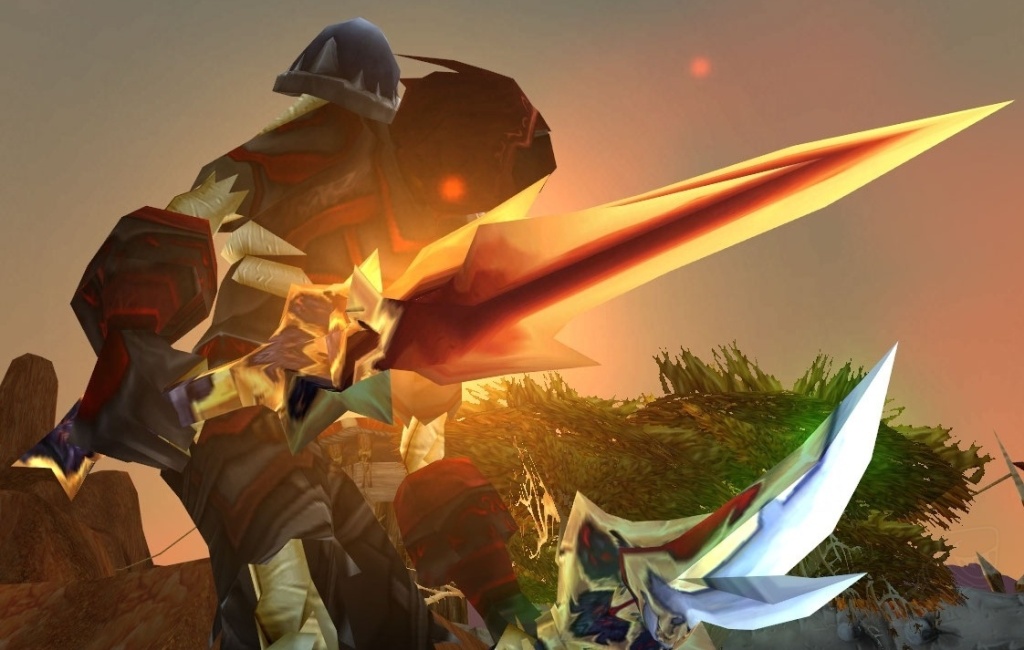
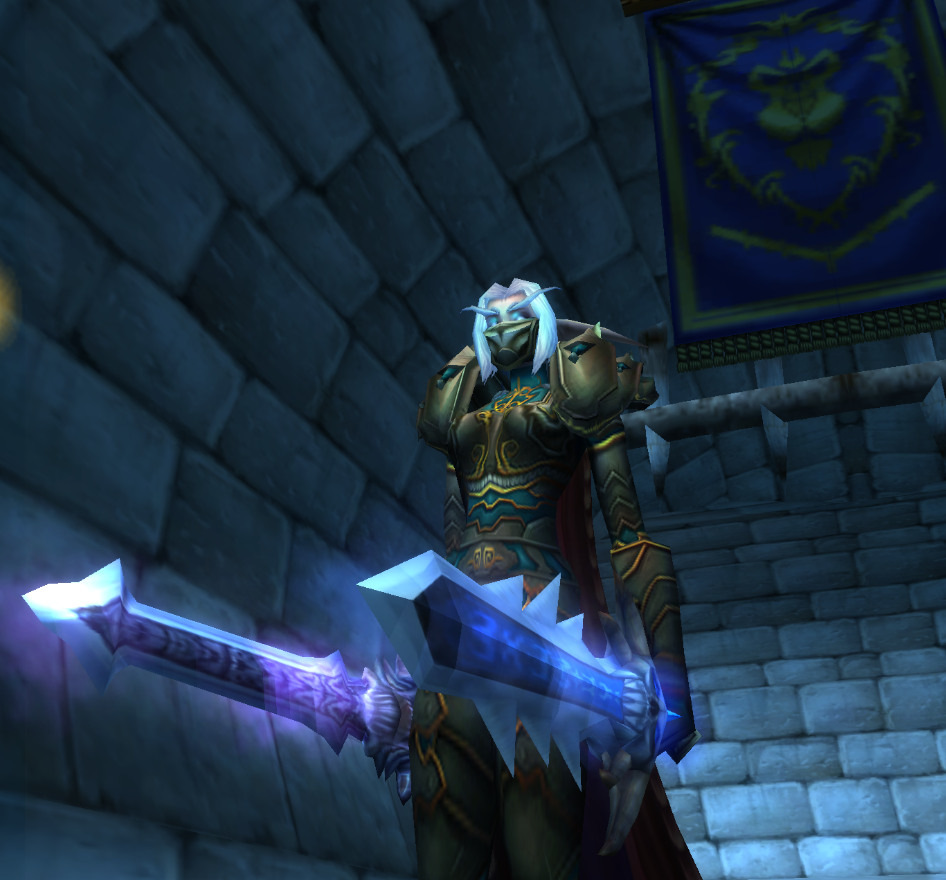
Navigating Real-World Constraints: Asset Reskinning and Reuse In an ideal world, unlimited funding and boundless creativity would pave the way for future content and assets. However, within the constraints of reality, such as limited time and budget, developers often turn to solutions like asset reskinning or reuse. WoW’s third expansion, Wrath of the Lich King, exemplifies this approach, with the first raid tier being a reskin of the last raiding tier from the vanilla version. By leveraging memorable enemy and item models, developers tapped into nostalgia while mitigating budget and time constraints.
The Untapped Potential: Asset Mirroring and Reversing One promising avenue yet to be explored in World of Warcraft is the concept of mirroring assets. Racing games commonly employ this technique to add difficulty by reversing or mirroring tracks. It offers an elegant design solution because, although racing tracks are relatively straightforward to plan, populating them with meaningful assets and narratives presents a significant challenge. By sending players in the opposite direction or through mirrored tracks, developers can provide a slightly new experience without the need for creating entirely new assets. Adding reskins or palette swaps can introduce variations, gradually transforming the experience into an entirely different map. Embracing systemic methodologies like asset recycling allows studios to explore multiple avenues for implementing new content.
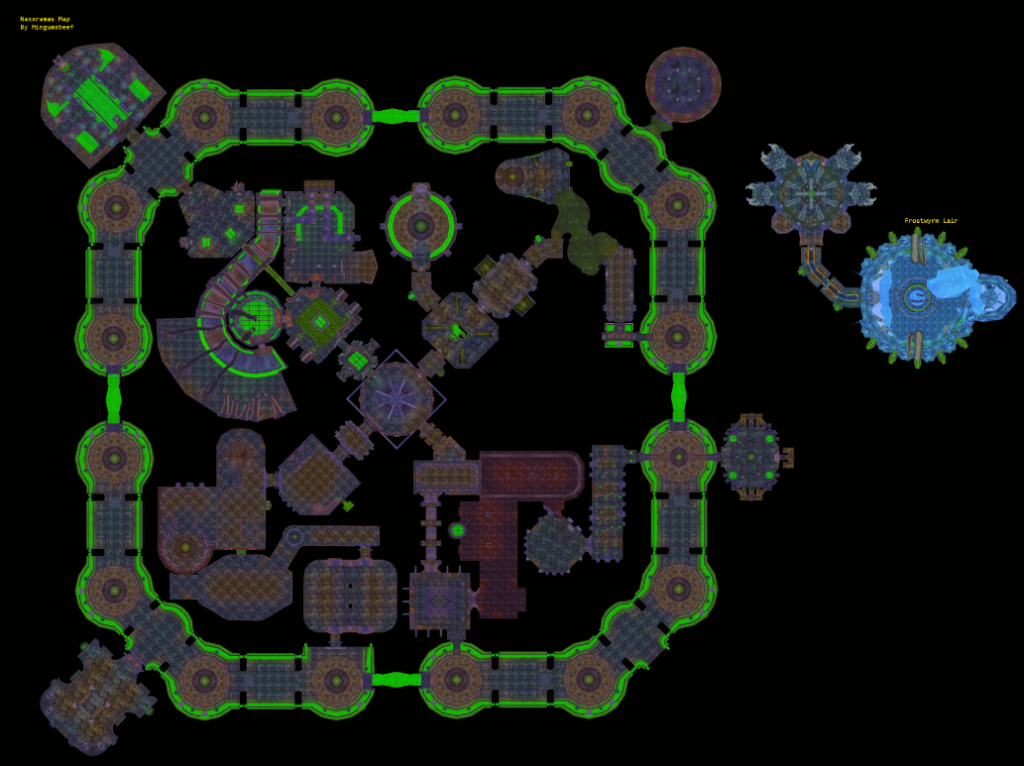
Enriching Old Assets: The Potential of Design Details Blizzard took a similar approach to asset recycling with itemization, using common models with reskins between expansions. However, there are further opportunities, such as mirroring and theming Naxxramas differently. By carefully ideating and testing, developers can implement small design and story details to breathe new life into existing assets. For example, reversing the order of wings or incorporating unique interactions and environments like swimming through sewers can create a fresh and captivating experience.
The Cataclysmic Shift: Rethinking Old World Zones Blizzard’s revamp of old world zones in Cataclysm, though initially met with mixed reactions, was a necessary response to the game’s evolving world. As WoW expanded from Kalimdor and the Eastern Kingdom to Outlands and Northrend, revisiting the old world and utilizing asset recycling became crucial for budget and time constraints while still meeting fan expectations. With Classic Era WoW now a permanent option, these changes are likely to be received with more welcome, as players may appreciate the originals while embracing the essential and remarkable nature of remixes.
Carefully and masterfully creating assets in game design leads to enduring memories for players. Whether through iconic characters, moments, or items, deliberate and well-thought-out assets have a profound impact on the player experience and the lasting legacy of a game. While time and budget constraints pose challenges, embracing techniques like asset reskinning, reuse, and mirroring can open doors to new content possibilities. By carefully considering design details and leveraging existing assets, developers can create fresh experiences that captivate players and add depth to beloved games.







 Leadership, Design, Writing