Guilds Represent

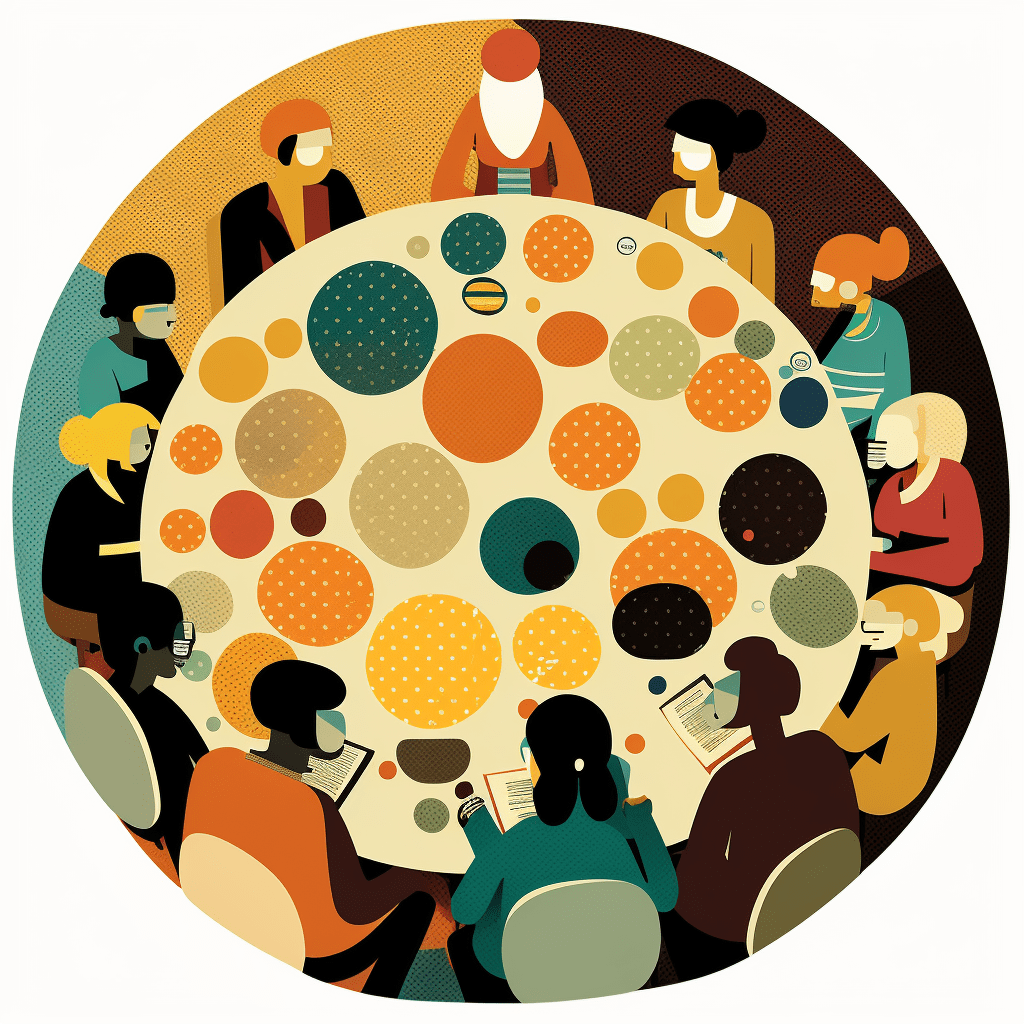
Guilds in World of Warcraft are like flags or banners that represent the ideas and values of a group. They are formed by players for various reasons, such as having a cool name, a particular identity, or for their raiding schedule. However, after interviewing guild masters and raid leaders, it becomes clear that many guilds are idealistic yet mismanaged or impractical in nature.

Forming an identity, maintaining a vision, and executing a plan for a guild can be challenging, especially when the only reward is the “fun” of it. Organizing a guild and raid requires a significant amount of work. That work can be meaningful and that’s what makes it special. However, the resistance to organization from players who seek instant gratification creates turmoil for passionate organizers and leaders, as they may feel like they have little control over creating a successful guild.

Guild leaders often face difficulties in balancing the desires of individual players with the overall goals of the guild. Some players may prioritize their own immediate needs or wants, which can clash with the long-term vision and plans of the guild. This results in mismanagement, lack of coordination, and frustration among guild members.

Another challenge is the constant change in the game’s meta, which can affect raid strategies, class balances, and other game mechanics. Guild leaders and raid leaders need to adapt and plan accordingly, which requires time, effort, and coordination. However, some players may not appreciate the effort required and may have unrealistic expectations for instant success or rewards, leading to dissatisfaction and conflict within the guild.

Despite these challenges, guilds can be successful when there is a shared vision, clear communication, and dedication from guild leaders and members. Building a strong guild community that supports and respects each other can create a positive and rewarding experience for everyone involved. It requires a balance between organization and flexibility, and an understanding that creating a successful guild takes time, effort, and commitment.

Guilds in World of Warcraft are not just about a cool name or raiding schedule, but also about representing ideas and values. Organizing and maintaining a guild can be challenging, but with the right vision, dedication, and communication, it is possible to create a successful and fulfilling guild experience. Guild leaders and members need to work together, be patient, and understand that meaningful rewards often come from the effort and dedication put into building and maintaining a guild community.

Complaining Without Action

Do you ever notice that the loudest complainers are often the ones who contribute the least to finding solutions? As an avid player of World of Warcraft, I interact with hundreds of different people every day, and I’ve observed a trend: those who are the least satisfied with the game are often the ones who have no hand in making the difference they wish to see. On the other hand, I strive to push myself and others to make a positive impact on the game, and as a result, my experience has been less about complaining and more about enjoying the MMO and RPG aspects.

It’s easy to get caught up in the cycle of complaining. When players encounter challenges or frustrations in the game, it’s natural to express dissatisfaction. However, what sets some players apart is their approach to finding solutions. The loudest complainers often focus solely on the problems, without taking any initiative to be part of the solution. They demand changes, fixes, or improvements, but rarely do they actively contribute to making those changes happen.

In contrast, solution-oriented players take a different approach. They acknowledge the issues but also take ownership and responsibility for improving the situation. They actively engage with the gaming community, provide constructive feedback, and work towards finding solutions, rather than simply venting their frustrations. They understand that change requires effort and involvement, and they are willing to be part of the solution.

My personal experience in World of Warcraft has been shaped by this mindset. Instead of being a passive complainer, I have chosen to be a proactive player. I have joined and led guilds, joined and hosted hundreds of raids, and networked with dozens of organizers and leaders. I have sought out ways to help other players, whether it’s through organizing events, offering advice, or providing support. By taking an active role in shaping my own gaming experience, I have been able to enjoy the MMO and RPG aspects of the game to the fullest.

Independent criticisms can be easier to express than independent solutions. Players may voice complaints based on their individual preferences or experiences, but coming up with practical solutions that address the needs of the entire community requires careful consideration and effort. It’s important to recognize that while finding and implementing solutions may be difficult, it’s not impossible. Many successful changes in communities have been the result of collaborative efforts between players, where constructive feedback and ideas were shared and considered.

It’s important to remember that complaining alone rarely leads to meaningful change. It’s easy to criticize and point out flaws, but it takes effort and commitment to find and implement solutions. Instead of being part of the problem, let’s strive to be part of the solution. Let’s engage in constructive discussions, provide feedback, and actively contribute to making World of Warcraft, or any other community or environment, a better place. Let’s focus on being solution-oriented players who take ownership of our experiences and actively work towards positive change. Together, we can make a difference and create a better gaming community for everyone.

Lift Up

Speaking highly of others when they are not in the room is a simple yet impactful habit. Do you remember the last time you spoke positively about someone when they weren’t around? Perhaps you praised a colleague’s hard work during a team meeting, commended a friend’s kindness to others, or acknowledged your partner’s thoughtfulness to a mutual friend. If you have, congratulations! You have developed a great habit that can transform your relationships and elevate your own character. Here are some compelling reasons why this habit is worth cultivating:

  1. Fosters a Positive and Supportive Culture: When you speak positively about someone behind their back, you create a culture of respect, encouragement, and support. Your words can influence the way others perceive and talk about that person as well. It promotes a sense of unity, cooperation, and camaraderie, which can boost morale, productivity, and overall well-being in any setting, whether it’s the workplace, home, or social circles.
  2. Builds Trust and Credibility: Speaking highly of others demonstrates your integrity and sincerity. It shows that you are not only willing to acknowledge others’ strengths and achievements but also genuinely appreciate and celebrate them. This builds trust and credibility among your peers, as they see you as someone who is fair, reliable, and uplifting. Trust is the foundation of any healthy relationship, and speaking highly of others can help you earn and maintain it.
  3. Encourages Growth and Development: When you speak highly of someone, you are not only recognizing their current abilities but also encouraging them to continue their growth and development. Your words can motivate and inspire others to strive for excellence, take on new challenges, and reach their full potential. It can also boost their self-esteem and confidence, leading to improved performance and a positive mindset.
  4. Reflects Positively on Your Character: The way you speak about others says a lot about your own character. Speaking positively about someone when they are not around reflects your kindness, empathy, and maturity. It shows that you are secure in yourself and confident enough to celebrate others’ successes without feeling threatened or jealous. It also indicates that you have a positive mindset and choose to focus on the good in others, which can be an attractive quality that draws people towards you.
  5. Enhances Your Communication Skills: Speaking highly of others requires effective communication skills. It involves choosing your words carefully, being mindful of your tone, and expressing yourself with sincerity and authenticity. This habit can sharpen your communication skills and help you become a better listener, observer, and speaker. It also encourages you to be more mindful of the impact of your words on others, promoting positive and constructive interactions in all areas of your life.

Speaking highly of others when they are not in the room is a remarkable habit that can bring about positive change in your relationships, character, and communication skills. It fosters a culture of respect and support, builds trust and credibility, encourages growth and development, reflects positively on your character, and enhances your communication skills. So, let’s cultivate this habit and create a world where uplifting others is a norm, both in their presence and absence.

Great minds discuss ideas; average minds discuss events; small minds discuss people.

Eleanor Roosevelt

Be the one who discusses ideas and speaks highly of others!

Growing Patience

Many of us struggle with patience, and it can be especially challenging in a world that values speed and efficiency. However, as we gain experience and context, we can develop the resilience and inner strength to navigate life’s challenges with greater patience and composure.

For example, I used to be called an impatient person, but as I’ve grown older and gained more experience, I’ve learned to cultivate patience in new ways. Through my involvement in gaming communities, I have become a skilled raid leader and have been recognized as one of the most patient leaders in my group. I am still learning to adapt and apply the lessons I have learned from gaming to other aspects of my life, but I am proud of the progress I have made so far.

One way to grow and nurture patience is through experience. As we go through life, we encounter many situations that test our patience. Whether it’s waiting in line at the grocery store, dealing with a difficult coworker, or facing a setback in our personal or professional lives, these experiences can teach us the value of patience. When we encounter challenges and setbacks, we can choose to react with frustration and anger, or we can choose to cultivate patience and resilience.

Another way that experience can help us develop patience is by giving us a broader perspective. As we get older, we begin to understand that life is full of ups and downs, and that setbacks and challenges are a natural part of the journey. When we approach life with this mindset, we are better able to weather the storms and remain patient in the face of adversity.

Context is also an important factor in developing patience. When we understand the context of a situation, we are better able to appreciate the bigger picture and recognize that things are not always as they seem. For example, if we are stuck in traffic, we might feel frustrated and impatient. However, if we understand that there has been an accident on the road, we might be more patient and understanding.

In addition to experience and context, there are other strategies that can help us cultivate patience. These include mindfulness practices, such as meditation and deep breathing, which can help us stay calm and centered in the face of stress and anxiety. Additionally, setting realistic expectations and goals can help us avoid becoming impatient when things don’t happen as quickly as we would like.

Cultivating patience is an ongoing process that requires effort and intention. However, with practice and perseverance, we can develop the resilience and inner strength to navigate life’s challenges with grace and composure. By embracing patience as a core value, we can lead more fulfilling and meaningful lives, and inspire others to do the same.

Reflection and Vision

Reflection and vision are two fundamental concepts that are central to the way we perceive and interact with the world around us. While they are different in many ways, they are also similar in some important respects, and understanding their dynamics can help us better understand our own experiences and the nature of reality itself.

Reflection is the process of looking back at something that has already happened or considering our own thoughts and feelings about a particular experience or situation. It involves introspection and self-awareness, and it can help us gain insight into our own motivations, behaviors, and attitudes. Reflection can be an important tool for personal growth and development, as it allows us to identify areas where we need to improve or change in order to become our best selves.

Vision, on the other hand, is the process of looking forward and imagining new possibilities. It involves creativity and imagination, and it can help us see beyond our current circumstances and envision a better future for ourselves and for the world. Vision can be an important source of inspiration and motivation, as it allows us to tap into our deepest aspirations and work towards realizing our dreams.

While reflection and vision may seem like opposite processes, they are actually closely interconnected. Reflection can help us identify the limiting beliefs and negative thought patterns that may be holding us back from achieving our vision, while vision can help us stay focused on our goals and motivated to make the changes we need to make in order to achieve them. Together, these two processes can create a powerful cycle of self-awareness, growth, and transformation.

Of course, there are also some important differences between reflection and vision. Reflection is often more focused on the past, while vision is more focused on the future. Reflection tends to be more analytical and rational, while vision is more intuitive and creative. And while both processes involve the imagination, vision is more oriented towards imagining new possibilities, while reflection is more focused on understanding and making sense of what has already happened.

The dynamics of reflection and vision are complex and multifaceted, and they play a crucial role in shaping our perceptions, attitudes, and behaviors. By cultivating both of these processes and learning to balance them in our lives, we can become more self-aware, more creative, and more effective at achieving our goals and realizing our dreams.

Celebrating Small Victories

In today’s fast-paced world, we often hear about the importance of setting big goals and achieving them in record time. While it’s great to have ambitious plans, it’s equally important to recognize the value of incremental progress and the role momentum plays in achieving our goals.

Incremental progress refers to the small steps we take each day towards our long-term goals. These steps may seem insignificant at first, but over time they add up and create momentum that launches us towards our ultimate destination. It’s like a snowball effect – the more we do, the easier it becomes to keep going.

Momentum is the force that keeps us moving forward, even when we face setbacks and obstacles along the way. It’s the feeling of being in a groove, where we’re making progress and things seem to be falling into place. Momentum is powerful because it gives us a sense of accomplishment and builds our confidence, which motivates us to keep going, regardless of our current position.

The importance of incremental progress and momentum cannot be overstated. When we focus too much on the end goal, we may become overwhelmed and discouraged by the enormity of the task. However, when we break our goal down into smaller, more manageable steps, we can create a sense of momentum that makes it easier to stay on track.

Here are some tips for harnessing the power of incremental progress and momentum:

  1. Set small, achievable goals: Instead of focusing on the big picture, break your goal down into smaller, more manageable tasks. This will help you make progress every day and build momentum.
  2. Celebrate your successes: When you achieve a milestone, no matter how small, take a moment to celebrate your success. This will give you a sense of accomplishment and motivate you to keep going.
  3. Focus on the process, not just the outcome: Instead of obsessing over the end result, focus on the process of getting there. This will help you stay present and motivated, and will also help you learn and grow along the way.
  4. Keep moving forward: Even if you face setbacks or obstacles, don’t give up. Keep taking small steps every day and you’ll eventually build up enough momentum to overcome any challenge.

In conclusion, incremental progress and momentum are powerful tools for achieving our goals. By breaking our goals down into smaller, more manageable tasks, celebrating our successes, focusing on the process, and keeping moving forward, we can create a sense of momentum that propels us towards success. Don’t worry about the magnitude of your goals – take small steps every day, celebrate small victories, and watch your momentum build!

Great Qualities of Guild Masters and Raid Leaders

World of Warcraft is an MMORPG that requires players to work together to achieve success. Guild masters and raid leaders play a vital role in ensuring that these groups run smoothly and effectively. The best guild masters and raid leaders possess several qualities that make them stand out from the rest. In this post, we will explore some of the most important qualities that a great World of Warcraft guild master and raid leader should have.

Qualities of a Great Guild Master

  1. Leadership Skills: A great guild master should possess strong leadership skills. They should be able to inspire and motivate their team to work together towards a common goal. They should also be able to delegate tasks and responsibilities effectively and provide guidance when needed.
  2. Communication: Communication is key in any group, and a great guild master should be an excellent communicator. They should be able to convey information clearly and effectively to their team, whether it’s through voice chat, written messages, or in-game chat.
  3. Organization: Running a successful guild requires excellent organizational skills. A great guild master should be able to manage schedules, events, and resources effectively. They should also be able to keep track of members’ progress and ensure that everyone is working towards the same goal.
  4. Patience: Patience is a virtue, and a great guild master should have plenty of it. They should be able to handle difficult situations calmly and patiently, and be willing to listen to their team’s concerns and feedback.
  5. Flexibility: Sometimes plans don’t go as expected, and a great guild master should be able to adapt and be flexible in their approach. They should be able to adjust their strategies and plans to fit the needs of their team.

Qualities of a Great Raid Leader

  1. Knowledge: A great raid leader should have a deep understanding of the game’s mechanics and strategies. They should be able to explain boss mechanics and strategies to their team in a clear and concise manner.
  2. Quick Thinking: Raiding can be chaotic, and a great raid leader should be able to think on their feet and make quick decisions when needed. They should be able to adjust strategies on the fly and provide clear instructions to their team.
  3. Positivity: Raiding can be frustrating at times, and a great raid leader should be able to maintain a positive attitude and keep the team motivated. They should be able to celebrate successes and provide constructive feedback when things don’t go as planned.
  4. Focus: Raiding requires intense focus and concentration, and a great raid leader should be able to maintain their focus throughout the raid. They should be able to keep the team on track and prevent distractions from derailing the raid.
  5. Supportive: A great raid leader should be supportive of their team members. They should be able to identify areas where team members need improvement and provide guidance and support to help them improve.

The qualities outlined above are just some of the many qualities that make a great World of Warcraft guild master and raid leader. While not everyone possesses all of these qualities naturally, many can be developed over time with practice and dedication. Whether you’re a guild master, a raid leader, or a member of a WoW team, remember that success requires teamwork, communication, and a positive attitude. With these qualities in mind, you can become a great leader and help your team achieve great things in World of Warcraft.

Contentment Creation

Content creation has a long and rich history that dates back to the earliest forms of human communication. From cave paintings to hieroglyphics to the printing press, humans have always found ways to express themselves and share their ideas with others.

In the early days of the internet, or Web 1.0, content creation was mostly limited to text-based content, such as blog posts and articles. However, with the emergence of Web 2.0 and its focus on user-generated content, content creation exploded in popularity and diversity. Social media platforms like Facebook and Twitter emerged, allowing users to share their thoughts and ideas in real-time with a global audience. In addition, higher resolution cameras and improved access to capturing devices from smartphones made it easier for people to create and share visual content, including photos and videos. This democratization of content creation has made it possible for anyone to create and share content that can be seen and enjoyed by a wide audience.

In 2005, YouTube was founded and revolutionized the way people consume and create video content. This led to the rise of the influencer and vlogger culture, where anyone with a camera and an internet connection could create and share videos with the world.

Around the same time, blogging became a popular form of content creation, with individuals and businesses creating blogs to share their ideas and promote their products and services. Additionally, the emergence of podcasting and other forms of audio content further expanded the diverse range of content available to consumers. With these developments, content creation became more accessible and diverse than ever before, offering something for every interest and taste.

Today, content creation has become a multi-billion dollar industry, with individuals and companies creating content across a wide range of formats, including blog posts, social media posts, videos, podcasts, and more. With the proliferation of new technologies and platforms, the history of content creation continues to evolve, as new forms of media and storytelling emerge to meet the demands of an ever-changing audience.

While the history of content creation has evolved to become a multi-billion dollar industry, it’s important to recognize the difference between content as a material and contentment as a state of being.

The terms “content” and “contentment” have two different meanings and contexts.

When we talk about “content” in the context of digital media or marketing, we are typically referring to the materials created and shared on different platforms, such as blog posts, social media posts, videos, podcasts, and other types of media mentioned above. The goal of creating content in this context is to inform, educate, entertain, or engage the target audience with the ultimate goal of promoting a product, service, or brand.

On the other hand, when we talk about “contentment” or “happiness,” we are referring to a feeling of satisfaction, fulfillment, and pleasure. In this context, contentment is a subjective emotional state that comes from within and is often influenced by various external factors, such as relationships, career, health, and personal goals.

While the two terms are distinct and have different meanings, there is a connection between them. The purpose of creating content is not just to promote a brand or product but also to connect with the audience and bring them happiness, whether through entertainment, inspiration, or education.

Content creators have realized that their work can have a profound impact on people’s emotions and well-being. They have started to focus not just on creating content that meets their marketing objectives but also on creating content that evokes positive emotions and provides value to their audience. This has led to a rise in the creation of content that serves a higher purpose than just promoting a product or service.

For instance, a travel blogger can create content that inspires their audience to explore new destinations, try new foods, and immerse themselves in different cultures. Similarly, a fitness influencer can create content that educates their audience on healthy habits, encourages them to stay active, and motivates them to take care of their physical and mental well-being.

By creating content that brings happiness and fulfillment to their audience, content creators can establish a loyal following, build a strong brand, and make a positive impact on people’s lives. Thus, content creation has evolved from a mere marketing tactic to a form of creative expression that can create a sense of community, inspire positive change, and foster contentment in people’s lives.

The 60/30/10 Rule: The Past, Present, and Future

Content creation is crucial for any business or personal brand. To make your content informative, engaging, and relevant to your audience, you can use the 60/30/10 rule. This framework suggests dividing your content into three parts: 60 percent about the past, 30 percent about the present, and 10 percent about the future.

By dedicating 60 percent of your content to the past, you provide your audience with historical context, which is essential to better understand the present and future. It can be about historical events, the evolution of a product or service, or the history of a brand. This stable and agreed-upon set of facts helps your audience see the bigger picture and make informed decisions.

30 percent of your content should be about the present, which includes current trends, news, and events in your industry. This ensures that your content is timely and relevant, keeping your audience engaged and informed. However, it’s essential not to focus too much on the present and miss critical context or opportunities.

Finally, 10 percent of your content should be about the future, where innovation and progress lie. You can provide insights or speculations about what the future may hold, predictions about industry trends, or new developments in your field. While it’s tempting to make bold predictions, be mindful of the potential risks and limitations of such content.

Following the 60/30/10 rule helps you balance historical context, current trends, and future insights, ensuring that your content is well-rounded and valuable to your audience. It also directs and focuses your content creation efforts, making it easier for your audience to follow along. Whether it’s making entire pieces dedicated to one subject or covering the past, present, and future all in one topic, this framework provides a helpful guide.

For instance, if you’re a fashion blogger, you can provide a historical perspective on fashion trends, explain current trends, and provide insights into the future of fashion. Similarly, if you’re a business owner, you can provide a historical perspective on your industry, discuss current events and trends, and speculate on the future of your industry.

By following the 60/30/10 rule, you can create engaging and informative content, establish yourself as a thought leader, and keep your audience coming back for more. It’s a helpful approach to ensure that your content remains relevant and valuable.

Breaking Cliques from Communities

Building communities is a natural aspect of human socialization. It allows us to connect with others who have similar values, beliefs, interests, or experiences. Communities offer us a sense of belonging, both as something to devote our energy to and for us to partake in. However, communities can sometimes become exclusive and develop cliques, which can make others feel left out and isolated. In this post, we’ll discuss some tips for building communities without cliques.

  1. Encourage Diversity

One of the best ways to prevent cliques from forming is to encourage diversity within your community. This means being inclusive of people from different backgrounds, cultures, and experiences. This will help to create a welcoming environment where everyone feels valued and included. A diverse group is resistant to singularity and echo chambers.

  1. Foster Open Communication

Open communication is crucial for building a community that is free from cliques. Encourage everyone to speak up and share their thoughts and ideas. Create a safe space where people can express themselves without fear of judgment or rejection. This will help to foster a culture of openness and collaboration, which is essential for building a strong and inclusive community. Transparency limits fragmentation.

  1. Focus on Shared Values

One of the best ways to build a community without cliques is to focus on shared values. This means creating a community around a common purpose or interest. For example, if you’re building a community around a particular hobby or interest, make sure everyone shares a passion for that activity. This will help to create a sense of unity and purpose, which can help to prevent cliques from forming. Identifying a strong central vision removes that responsibility from cliques.

  1. Embrace Newcomers

Newcomers are often the most vulnerable members of a community, and they may feel intimidated or excluded. To prevent cliques from forming, it’s essential to embrace newcomers and make them feel welcome. Encourage existing members to reach out and introduce themselves, and provide resources and support to help newcomers get involved. This will help to create a welcoming and inclusive community where everyone feels valued and supported. Bridging the gap between the most and least experienced members minimizes the differences and maximizes similarities.

  1. Address Cliques Directly

Even with the best intentions, cliques can sometimes form within a community. If you notice cliques forming, it’s essential to address them directly. Talk to the members involved and explain how their behavior is affecting others. Encourage them to be more inclusive and to reach out to other members of the community. By addressing cliques directly, you can prevent them from becoming more entrenched and damaging the community. Understanding the needs and origins of cliques reveals insight into the community at large.

It is important to understand why and how cliques form, as they inform us of the larger group. Building a community without cliques requires a deliberate and intentional effort. By encouraging diversity, fostering open communication, focusing on shared values, embracing newcomers, and addressing cliques directly, you can create a welcoming and inclusive community where everyone feels valued and supported.